
Why Community Is Central to Veteran Recovery
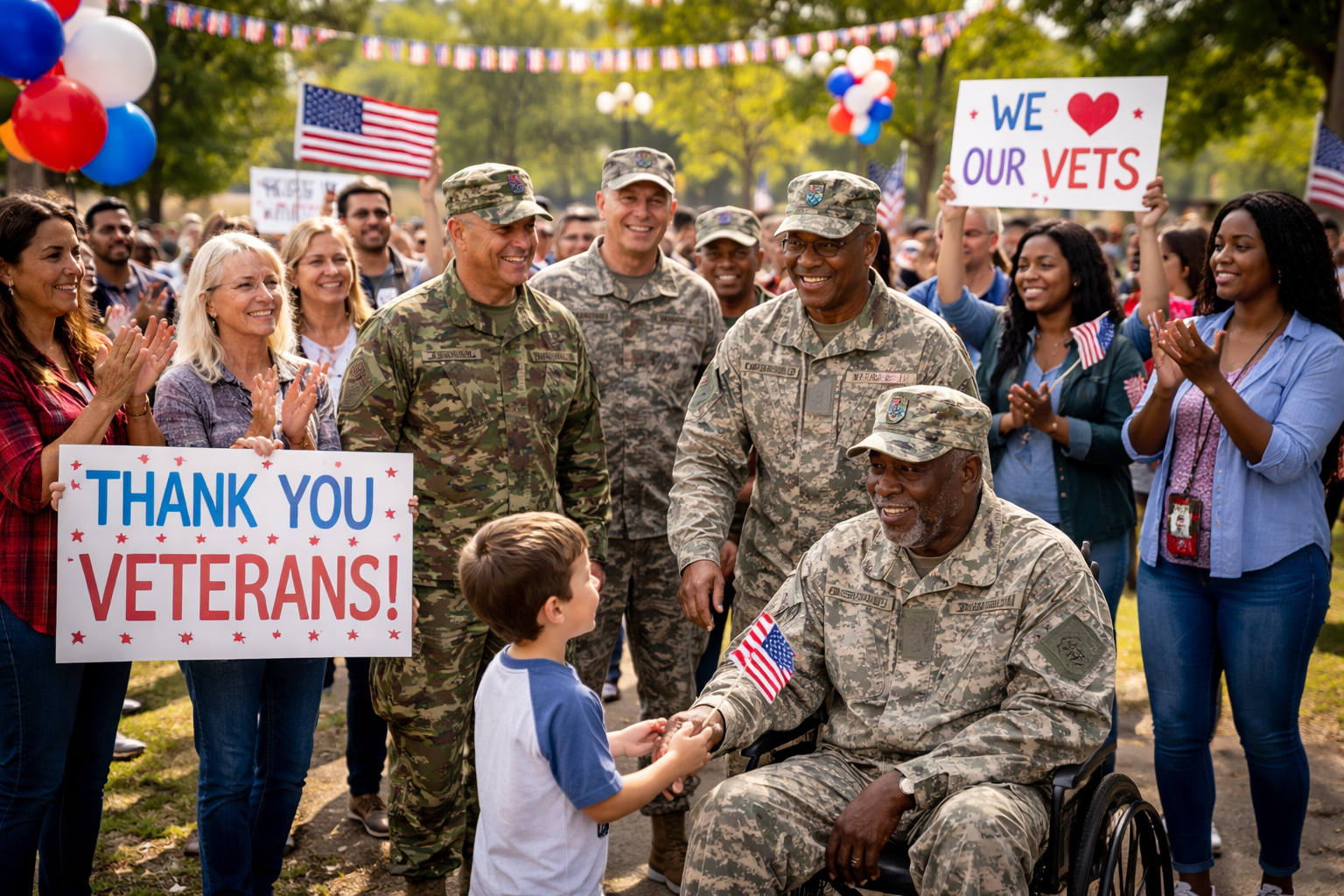
“They weren’t just leaving a job. They were leaving the only community that had ever asked everything of them — and given everything back.”
Life After Service: The Struggle No One Warned Them About
Imagine spending years as part of something larger than yourself. Every morning you wake up with a purpose already defined, a team already waiting, and a shared identity that tells you exactly where you belong. Your people understand your humor, your silences, your instincts. You don’t have to explain the weight you carry because everyone around you is carrying it too. Now imagine that disappearing overnight.
That is what military transition looks like for far too many veterans. Not just a career change but a complete unraveling of identity, structure, and belonging. The uniform comes off, and suddenly the world feels unfamiliar. Civilian life moves at a different pace, speaks a different language, and rarely offers the kind of deep, mission-driven connection that military service provides as a matter of course.
It’s not weakness that makes this transition hard. It’s humanity. We are wired for belonging. And when veterans lose the community that once gave their lives shape and meaning, something essential goes with it.
The Real Cost of Disconnection
We tend to talk about veteran struggles through the lens of what happened during service: the trauma, the combat, the injuries and those experiences matter deeply. But there is another layer that doesn’t get enough attention: what happens after, when the support system disappears and the veteran is left to navigate a world that doesn’t quite understand them.
Isolation is its own kind of wound. It compounds grief. It deepens depression. It makes every other challenge harder to face. And for veterans who have spent years relying on one another with their lives, the loneliness of civilian life can feel like a betrayal.
Many veterans describe the transition as grieving. Grieving the camaraderie. Grieving the clarity of purpose. Grieving a version of themselves that existed within a community that no longer surrounds them. That grief is real, and it deserves to be treated as such.
The good news is that community, genuine, peer-based, mission-oriented community is also one of the most powerful tools we have for healing it.
Why Belonging Is Not Optional
There is a reason military units are built the way they are. The bonds formed under pressure, through shared sacrifice and mutual dependence, are among the strongest human connections possible. Veterans don’t just miss their colleagues when they leave. They miss the feeling of mattering to a group that is counting on them.
Civilian life rarely replicates that. When veterans try to explain it to family and friends who haven’t served, there is often a gap a kindness without comprehension that leaves the veteran feeling more alone than before they tried. What veterans need most isn’t sympathy. It’s understanding and that kind of understanding most often comes from other veterans: people who carry the same experiences, speak the same unspoken language, and don’t need anything explained.
When that connection exists, everything changes. Recovery becomes possible not because the past is erased, but because the present finally feels like somewhere worth being.
Wounded Warrior Homes: Rebuilding Lives Through Community
This is exactly the gap that Wounded Warrior Homes was built to close. By providing combat veterans experiencing homelessness and mental health challenges with stable, community-based housing, they are doing something that goes far beyond shelter. They are restoring the one thing that many veterans have been missing since the day they took off the uniform: a place to belong.
What makes this model powerful is not just what they provide, but how they structure it. Veterans live alongside other veterans. They are surrounded by people who understand what they have been through without explanation or qualification. The peer support that forms naturally within that environment is the same dynamic that made their units function such as mutual accountability, shared purpose, and the knowledge that someone has your back.
Mental health support is woven into the fabric of the home, not treated as something separate to be sought out elsewhere. Stability is treated as a starting point, not a finish line. Most importantly, veterans in these homes are treated not as broken people in need of fixing, but as capable individuals who deserve the same foundation the rest of us take for granted. That framing matters. Dignity is not a small thing when you have spent years giving everything you had to a country that sometimes struggles to give back.
The Women Veteran Center: A Home in the Neighborhood
For single women veterans raising young children, the transition out of military service carries a weight that most people never see. It is not just the challenge of finding stable housing or rebuilding a career but it is the quiet, daily work of creating a life that feels whole again, for themselves and for their kids. The Women Veteran Center addresses this by placing mothers and their children not in temporary shelters or isolated facilities, but in real neighborhoods — communities where families already live, where children play outside after school, and where belonging is not something that has to be earned. From the moment they arrive, these women and their children are not set apart. They are simply part of the block.
The children are enrolled in local schools and step into classrooms where they are treated as any other student and not as veterans’ kids navigating hardship, but as kids. They make friends at recess, join after-school clubs, and settle into the rhythms of a neighborhood that becomes genuinely theirs. For children who may have moved frequently or experienced instability, this consistency is transformative. Mothers, watching their children thrive in an ordinary, rooted way is often the first sign that the ground beneath them is finally solid. Community, it turns out, is not just something the mothers need. It is something the whole family heals inside of.
What the Women Veteran Center understands and what makes its model so meaningful is that belonging cannot be manufactured within four walls. It has to be grown in the world. When a woman veteran pushes a stroller to the corner store, waves to a neighbor she recognizes, or watches her daughter run to a friend’s front door without hesitation. She is not just rebuilding her life. She is building one she never had the chance to settle into before. These women served their country through sacrifice and discipline. What they deserve in return is not charity or isolation but a neighborhood that knows their names, children who feel at home, and a community that quietly says: you belong here.
When Reconnection Takes Hold
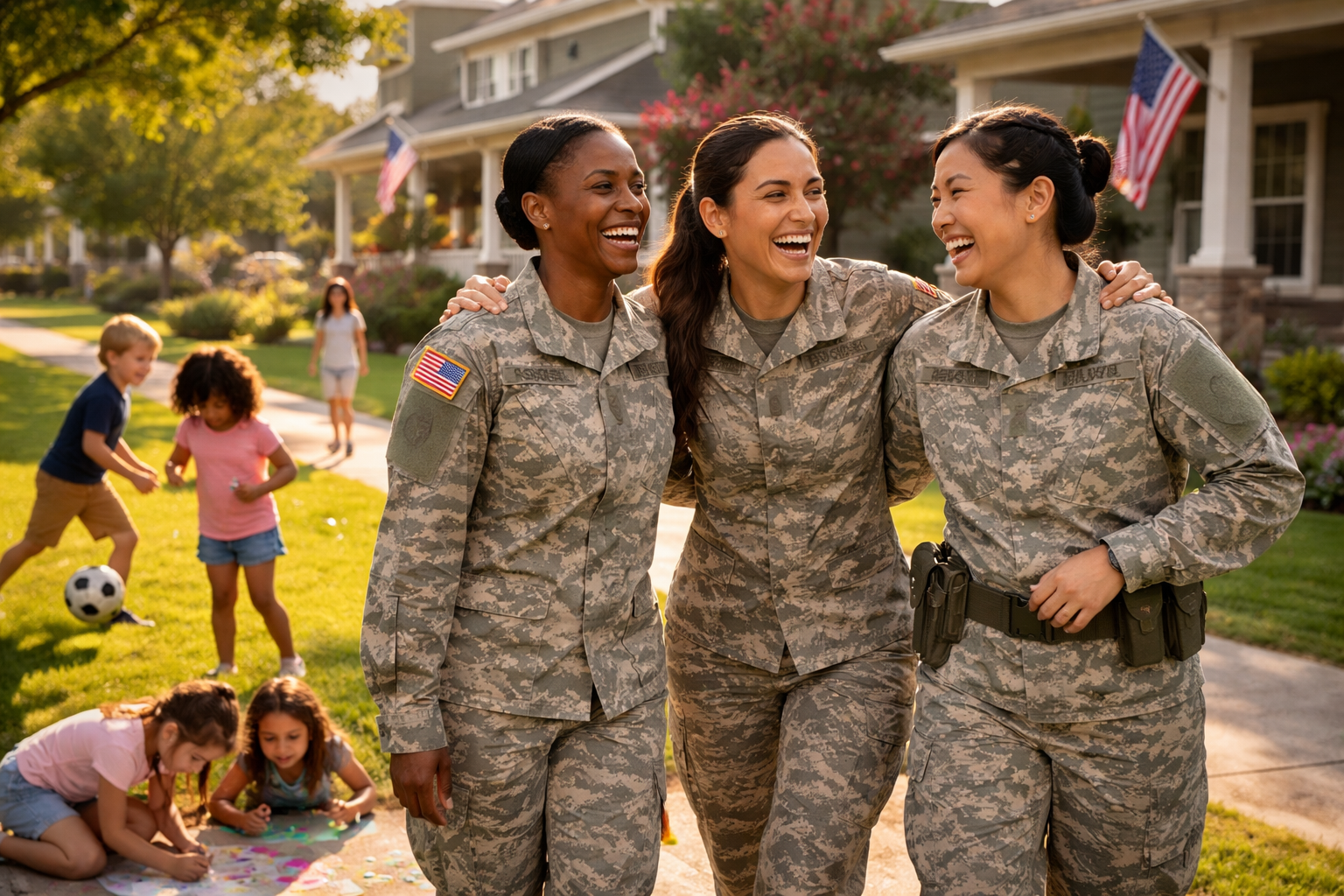
Veterans who have experienced community-based recovery describe it in terms that are strikingly consistent. Not gratitude, exactly.
Something quieter than that. Relief. The relief of being understood. Of not having to perform wellness or explain away pain. Of waking up in a place where the people around you already know what the weight feels like.
“I feel at home.”
“Someone got it without me having to say a word.”
“I remembered who I was before everything got hard.”
That is what belonging does. It doesn’t erase the past. It doesn’t replace therapy or treatment. But it creates the conditions in which healing becomes something more than theoretical. When veterans have people around them who truly see them, they become more likely to ask for help, stay the course, and rebuild what was lost.
Community is not a nice-to-have in veteran recovery. It is a clinical and human imperative.
How to Take Action: Three Ways to Support Veterans Now
You don’t need a uniform or a government title to make a difference for veterans. You need intention and follow-through. Here are three places to start:
Support Wounded Warrior Homes: Donate, volunteer, or amplify their missions. Every resource goes directly toward stable housing and community for veterans who need it most. Learn more at www.woundedwarriorhomes.org.
Challenge the narrative: When someone implies that veterans should simply move on, push back. Recovery is not a sign of weakness. Asking for help after years of selfless service is not failure rather it is wisdom.
Show up in your own community: Veterans in your neighborhood, your workplace, and your civic organizations are your neighbors. Include them. See them. Don’t wait for them to ask. Thank them for their service. Let them know we appreciate their service to protect us.
A Debt We Can Still Repay
Our veterans gave everything to protect this country. They didn’t ask for recognition. They asked to come home and belong somewhere.
Wounded Warrior Homes is answering that call: one home, one veteran, one family at a time. They understand that service doesn’t end at discharge. It simply changes hands.