
22 Veteran Day
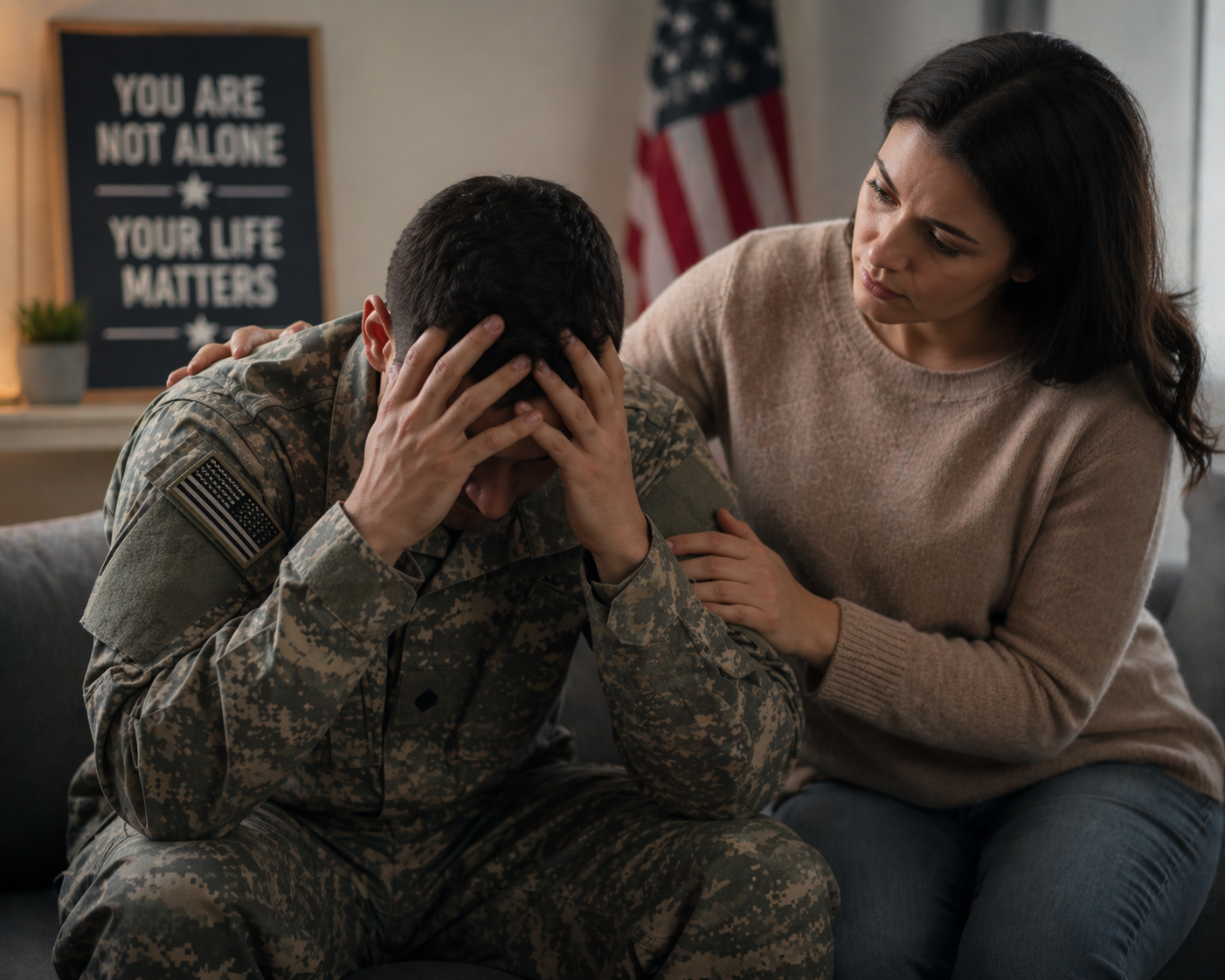
The number 22 has been mentioned many times. It’s on bumper stickers. It’s on t-shirts. It shows up in speeches and across social media every Memorial Day and every Veterans Day. Twenty-two veterans a day, lost to suicide. Somewhere along the way, that number became familiar. And familiar is a strange thing it starts to sound like background noise instead of people.
Here’s what the number actually is today, according to the VA’s 2025 National Veteran Suicide Prevention Annual Report: 17.5 veterans die by suicide every day. That’s 6,398 men and women in a single year. That’s more than all American combat deaths in Iraq and Afghanistan combined. It went down slightly and no one is mentioning it.
There’s a detail in that report that tends to get overlooked. Sixty-one percent of those veterans were not receiving VA health care in the last year of their life. They weren’t in the system. They weren’t in care. They were in apartments they couldn’t afford, in motels, on couches, in cars parked behind grocery stores.
On a single night in January 2024, HUD counted 32,882 homeless veterans across the country. About 13,851 of them had nowhere to sleep at all with no shelter, no transitional program, nothing. Just the outside. That’s the national picture. The California picture looks a little different and a lot closer to home.
California is one of the top ten states in the country for veteran suicides. Those ten states alone account for roughly 48% of every veteran suicide in the U.S. In the most recent year of California-specific data from the California Association of Veteran Service Agencies, 559 California veterans died by suicide. And on any given night in the state, around 10,000 veterans are without stable housing.
Now if you zoom in one more level, to San Diego County. According to Axios article in Nov 2023, San Diego is home to more than 240,000 veterans and over 100,000 active-duty service members, making it one of the largest military communities in the country. According to CAVSA 2023 Community Report, Camp Pendleton alone has around 40,000 active-duty Marines and roughly 33,000 post-9/11 veterans living nearby. That’s not an abstract statistic — that’s an Amazon delivery driver. A neighbor mowing his lawn. A dad at a Little League game. And according to the VA San Diego Healthcare System and the Regional Task Force on Homelessness, roughly 1,000 San Diego veterans are experiencing homelessness right now. They make up just 6% of the county’s general population, but 9% of the people in our community sleeping without shelter.
Those are often the veterans who slip into the 61%.
The number has a zip code. It has a front door. And increasingly, in the San Diego area, it has a home — one where it does not happen.
The address of that home isn’t something we share publicly. Not because it’s hidden, but because the veterans inside have spent enough of their lives being “findable” only in the hardest ways. On couches. In cars. In motels. In borrowed rooms. A home changes all of that. It gives them an address, yes. But more than that, it gives them a place to finally set the weight down.
Imagine a Marine. Twenty-nine years old. Two deployments. He came home with all of his limbs and none of his sleep. Traumatic Brain Injury is often called the signature wound of the post-9/11 wars. More than 500,000 service members have been diagnosed with one since 2000, and research suggests that over 20% of post-9/11 veterans have experienced a TBI at some point. Paired with Post-Traumatic Stress, which affects roughly a quarter of post-9/11 veterans, the result is a brain that simply doesn’t do mornings the way it used to.
So loud rooms are hard. Unexpected noise is hard. Waking up somewhere unfamiliar is hard. And yet, every sixty days, our Marine has to find somewhere new to sleep, because that’s what couches and motels and cousins’ garages require.
He isn’t lazy. He isn’t broken. His life, the one he loaned to his country for eight years is doing exactly what a brain with a moderate TBI does when it’s asked to stabilize in an unstable place. It can’t. And statistically, the VA isn’t in his story, because most veterans who die by suicide aren’t in VA care in their final year. He isn’t avoiding help. He’s just drowning quietly, a half-mile from every resource that could save him because nobody drowns in a place with a mailing address.
Now imagine a different kind of Tuesday. He pulls up to a home with the light on. Someone is expecting him. Someone hands him a key, not a voucher, not a wristband, but a key and shows him to a room that’s his. The walls are painted. The bed is made. The light switch works. No one is going to wake him at 6 a.m. and tell him to move along. No one is going to ask him to explain himself to a stranger in a lobby.
For the first time since he took the uniform off, he doesn’t have to plan where he’s sleeping next week. That’s the moment his brain starts to heal. Not the therapy. Not the medication. The quiet. The predictability. The door that locks from the inside.
Over the next several months, real things start to happen. He gets a case manager. He gets his VA claim sorted. He gets his teeth looked at. He gets counseling. He gets a ride to the appointments he would otherwise have missed. He gets groceries from a pantry with fresh vegetables and fruit. He gets help with a resume that doesn’t mention the six-month gap where he was technically homeless. He gets connected to resources he didn’t know existed and couldn’t access on his own.
He gets, slowly, a version of himself back. Not the one who went to war. The one who gets to come home from it. And one day, he leaves. Keys to his own apartment. A job. A reason to get up. He becomes a number no one counts, the veteran who didn’t.
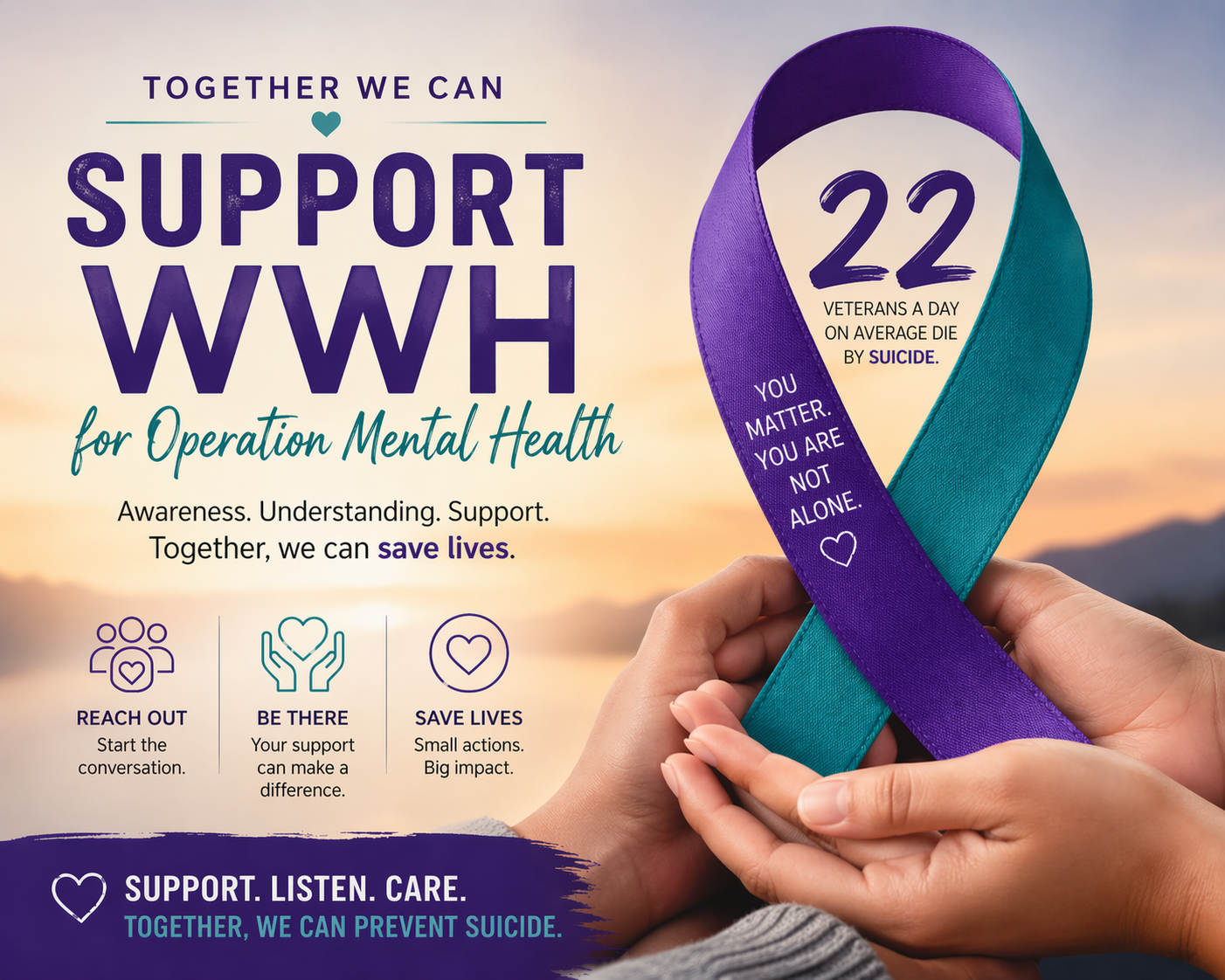
This is what a donation actually does. Not “raises awareness.” Not “honors their service.” It keeps the lights on in the home where the Marine in the parking lot is, right now, about to become someone who made it.
Sponsor a home. Sponsor a bed. Sponsor a night.
Recurring monthly giving is the quiet infrastructure behind every one of these stories. It pays the rent and the utilities. It funds the case manager. It buys the gas card that gets a veteran to the appointment that changes everything. Seventeen a day is a number. But every one of those seventeen had a last address. Let our home be the address where that number gets smaller.
Source: Axios San Diego article (November 9, 2023), citing San Diego County data. The article states: "San Diego County is home to more than 100,000 active-duty service members and 240,000 veterans."Secondary confirmation: The VA San Diego Healthcare System press release (July 7, 2023) states "San Diego County is home to over 250,000 Veterans" — so the figure is in the 240K–250K range depending on year.
Source: CAVSA (California Association of Veteran Service Agencies) 2023 Community Report. It states Camp Pendleton is home to "nearly 40,000 active-duty service members, 33,000 post-9/11 veterans, and more than [additional veterans]."
Source: VA San Diego Healthcare System press release (July 2023) citing the Regional Task Force on Homelessness: "the Regional Task Force on Homelessness estimates nearly 1,000 Veterans experience homelessness in the region."Source: Axios San Diego article (November 9, 2023), citing data reported by the San Diego Union-Tribune: "They make up 6% of the county's population, 9% of people living without shelter and 7% of those in shelters."
If you are a veteran in crisis or are concerned about one, the Veterans Crisis Line is available 24/7. Dial 988 and press 1, or text 838255.