
The Challenges of Reintegration After Military Service
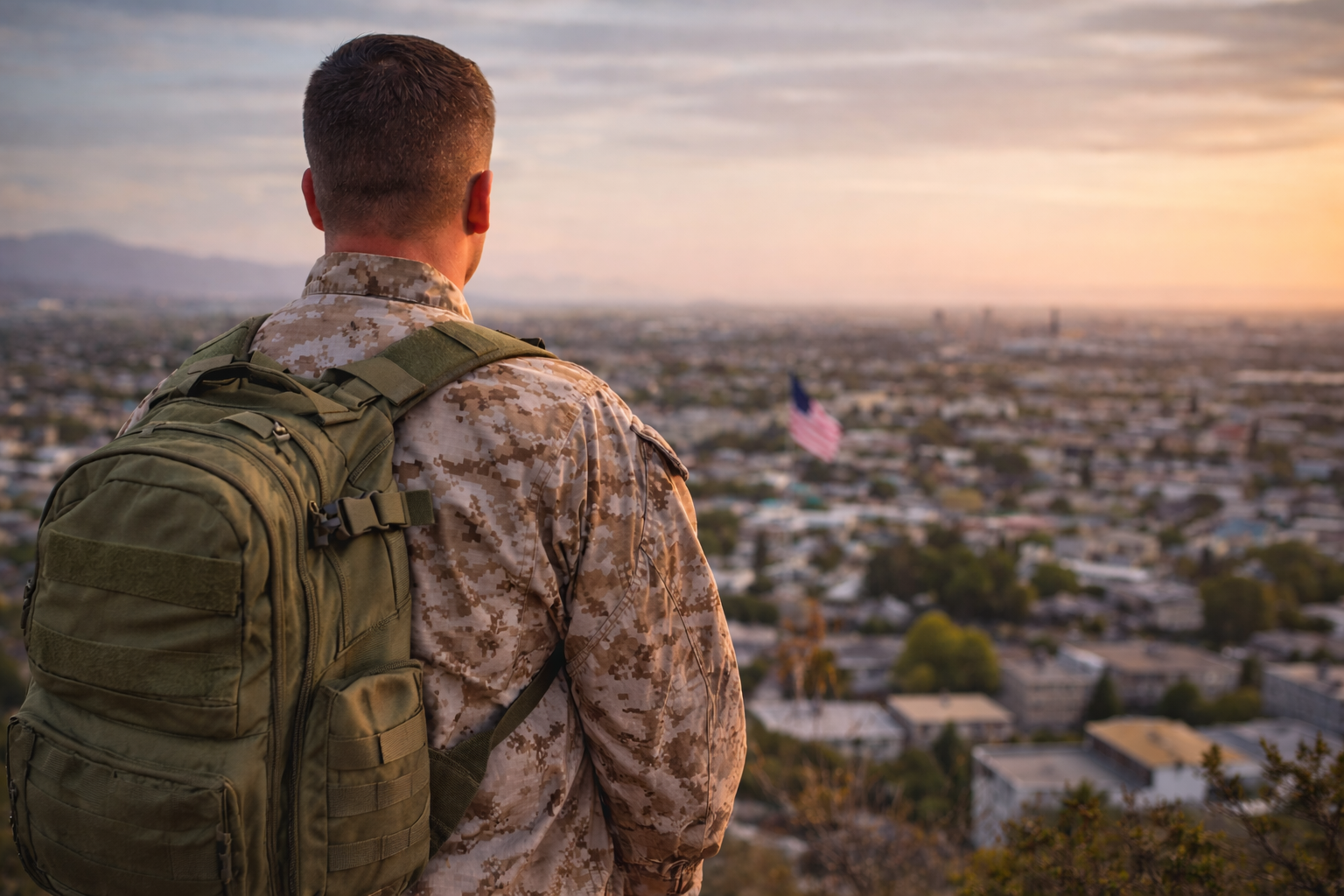
Beyond the uniform:
Understanding the Complex Journey of Veteran Reintegration
For many veterans, the day they hang up the uniform for the last time arrives with a complicated mix of relief and profound uncertainty. While friends and family view discharge as a joyful "homecoming," for the service member stepping back into civilian life, it often feels less like coming home and more like entering a foreign country where they no longer speak the local language fluently.
Military service isn't simply a job one clocks in and out of—it functions as what sociologists call a "total institution," providing not just employment but a complete framework for identity, purpose, and daily existence. When that all-encompassing framework is suddenly removed, the resulting transition isn't a single event that happens overnight. Instead, reintegration unfolds as a complex biological, psychological, and social process that can take months or even years to navigate successfully. For the modern veteran, this journey requires more than patriotic platitudes or a simple "thank you for your service." It requires a concrete roadmap to stability, and increasingly, it requires communities willing to walk alongside them.
When the Mirror No Longer Reflects Who You Are
Imagine waking up one morning and discovering that everything that defined you—your title, your community, your daily purpose—has vanished. This is the reality many veterans face the moment they transition out of service.
In the military, identity isn't an abstract concept debated in philosophy classes. It's tangible, visible, literally pinned to your chest. Your rank tells everyone your level of responsibility and commands immediate respect. Your ribbons tell your story without you having to say a word—where you've been, what you've endured, what you've accomplished. Your branch defines your tribe, your community, your people. This rigid structure provides a profound psychological safety net. You know exactly where you belong, what's expected of you at 0600 every morning, and how you fit into the larger mission.
Upon entering civilian life, this clarity evaporates like morning fog. Veterans often experience what sociologists call "identity thinning"—a gradual erosion of the self-concept that once felt so solid and unshakeable. Without the uniform, many struggle to answer what should be a simple question: "Who am I if I'm not a soldier, sailor, airman, or Marine anymore?"
This loss of identity becomes even more painful when compounded by the loss of what many veterans simply call "the tribe." In military service, the person to your left and right isn't just a coworker—they're someone you would trust with your life, someone who has your back unconditionally. The bonds forged in service run deeper than most civilian friendships ever will. But in the typical civilian workplace, the culture feels jarring by comparison to be more individualistic, competitive, transactional. This abrupt shift from a collectivist culture built on sacrifice and shared mission to an individualist one focused on personal advancement can trigger profound feelings of isolation and disconnection.
Understanding this psychological gap is the first crucial step in veteran reintegration. The transition isn't just about finding a job or securing housing. It's about finding a new mission that provides meaning and a new community to serve alongside.
The First Domino: Why Housing Matters More Than You Think
While the psychological dimensions of reintegration are profound, there's a stark practical reality that cannot be ignored: housing insecurity remains one of the most immediate and dangerous threats to a successful transition. According to Maslow's famous Hierarchy of Needs, psychological growth, career development, and self-actualization simply cannot happen if a person doesn't feel safe and sheltered. You can't focus on healing trauma or building a career when you're worried about where you'll sleep tonight.
Veterans face unique barriers to securing housing that many civilians don't realize exist. Years spent living in base housing or deployed overseas can result in a "thin" credit file with little to no rental history, making it difficult to pass the background checks that modern landlords require. For many young service members who joined at eighteen, the military handled everything—housing, food, healthcare. They never had to navigate the complexities of security deposits, utility contracts, lease agreements, or property taxes. Suddenly being thrust into this world in their late twenties can feel overwhelming.
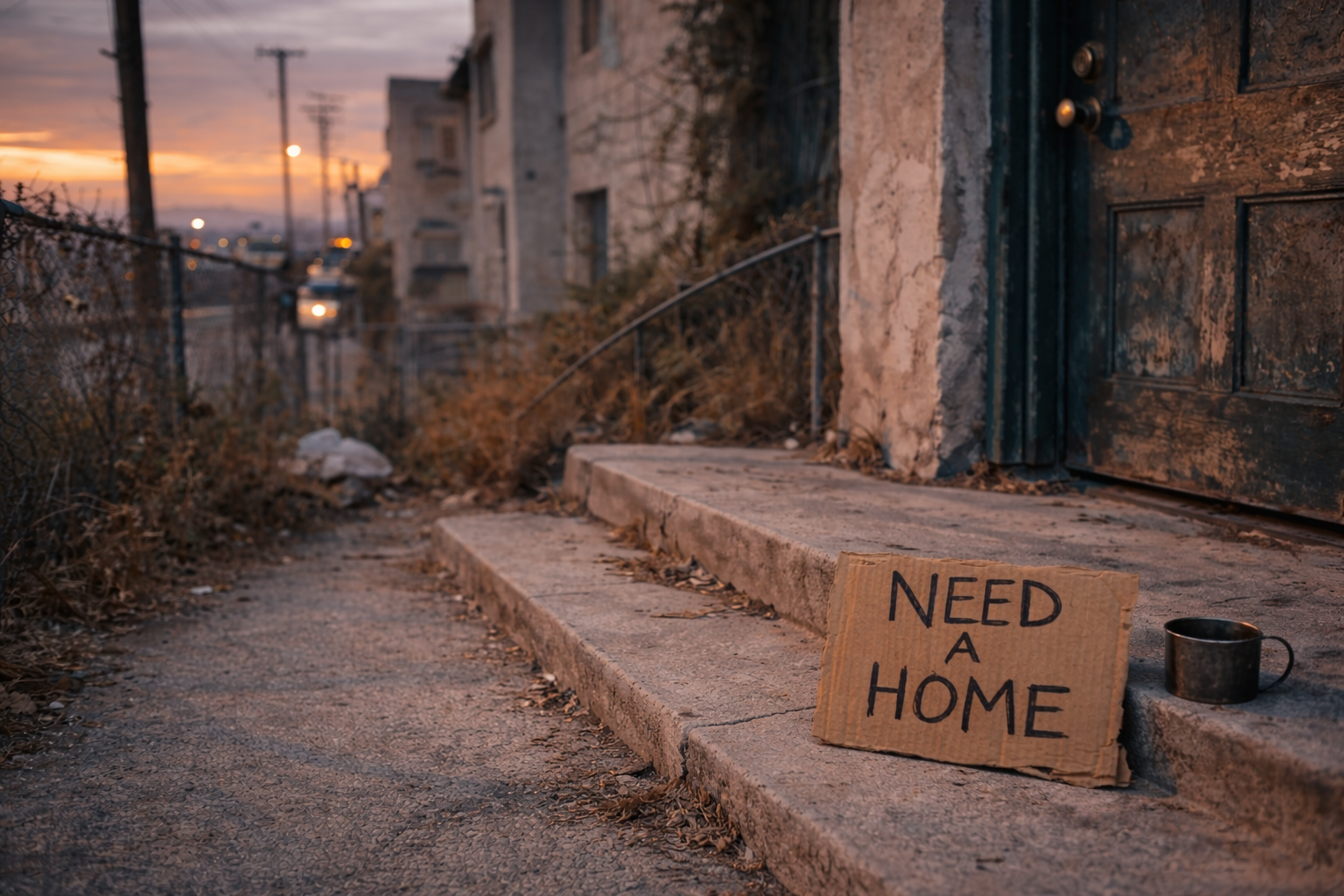
Without a stable home base—a safe place to land, decompress, and rebuild—veterans find themselves forced into survival mode.
Then there's what housing advocates call the "cliff effect." Military housing stipends like BAH (Basic Allowance for Housing) disappear the moment service ends, often weeks before the first civilian paycheck arrives. This gap can push even well-prepared veterans into crisis.
Without a stable home base—a safe place to land, decompress, and rebuild—veterans find themselves forced into survival mode. And when you're in survival mode, focusing on mental health treatment or long-term career goals becomes nearly impossible. Housing, it turns out, is the first domino. When it falls into place, everything else becomes possible.
A Milestone in Mission: The Women Veterans Center
While reintegration challenges affect all veterans, women who served often face a double burden—they're simultaneously invisible and dealing with unique trauma that traditional support systems weren't designed to address. Historically, transitional housing for veterans was designed with a specific image in mind: single men. This one-size-fits-all approach left a massive gap for the fastest-growing segment of the veteran population: women.
Recognizing this crisis, Wounded Warrior Homes took decisive action. This past October, the organization officially opened its new Women Veterans Center in Escondido—a specialized response to a growing need, providing a safe, fully renovated single-family home specifically designed for women veterans and their children.
The significance of a women-specific center cannot be overstated. The data paints a clear picture of why this matters. Women veterans are significantly more likely to be single parents than their male counterparts, yet most traditional veteran housing programs don't allow children. This impossible choice—between getting help and keeping your family together—forces many women to forgo assistance entirely. The Escondido center changes this equation completely, allowing families to stay together and even featuring a dedicated Learning Center with computers to help mothers balance education and childcare responsibilities.
There's another critical dimension: Military Sexual Trauma, or MST. Statistics reveal that roughly one in three women veterans report experiencing sexual harassment or assault during their service. For survivors of MST, a co-ed transitional housing environment can itself become a trigger, reactivating post-traumatic stress responses and making healing impossible. The Women Veterans Center addresses this by providing a women-only environment—including case managers and staff—fostering the sense of safety that serves as the foundation for genuine healing.
Perhaps most important, the center addresses what advocates call the "hidden homeless" population. Unlike men experiencing homelessness who are more likely to be visible on the streets, women veterans tend to couch surf, stay in unsafe domestic situations, or live in their cars—making them much harder to identify and assist. The opening of the October center provides a visible, dignified beacon for these hidden veterans, a place where they can finally stop merely surviving and start rebuilding.
The Invisible Wounds: When Your Nervous System Can't Stand Down
Beyond housing and identity, reintegration involves a profound physiological recalibration that many people don't understand. The military doesn't just train your mind and body—it fundamentally rewires your nervous system to operate in a constant state of heightened awareness and readiness. Hypervigilance is a life-saving adaptation in combat zones. Your survival depends on scanning for threats, processing information rapidly, and maintaining peak alertness even under extreme stress.
But here's the problem: that same nervous system recalibration that keeps you alive downrange becomes deeply problematic in civilian settings. In a grocery store, a corporate boardroom, or even at a family dinner, this heightened state manifests as anxiety, irritability, startle responses, and bone-deep exhaustion. Your body hasn't learned yet that it's safe to stand down.
It's important to distinguish between Post-Traumatic Stress, which is a clinical diagnosis requiring treatment, and what might be called "Transition Stress"—a more universal experience among veterans. Transition Stress involves the psychological whiplash of moving from high-stakes environments where missions literally involve life and death to civilian contexts that can feel comparatively trivial. When you're accustomed to work that matters in the most immediate, visceral sense, a "urgent deadline" for a marketing spreadsheet can feel strangely meaningless. This disconnect often leads to a sense of apathy or restlessness that's difficult to explain to people who haven't experienced it.
Beyond even Post-Traumatic Stress, many veterans grapple with something clinicians call Moral Injury—the psychological and spiritual distress that results from actions, or failures to act, that conflict with one's deeply held moral beliefs and values. Unlike PTS, which stems from fear and threat, Moral Injury stems from guilt, shame, and betrayal. Healing from this particular wound requires more than clinical therapy. It requires a supportive community that offers grace, understanding, and the space to process complex emotions without judgment.
The Strength That Becomes a Barrier
Here's one of the great paradoxes of veteran reintegration: one of the greatest strengths veterans bring from military service, especially their fierce self-reliance and "can-do" attitude that often becomes the very barrier that prevents them from getting help when they need it most.
Veterans are trained to be the ones providing assistance, not the ones asking for it. In military culture, "embracing the suck" and pushing through adversity without complaint is not just encouraged but it's a point of pride, a badge of honor. This mentality serves soldiers, sailors, airmen, and Marines exceptionally well in the field.
However, this same strength becomes a liability during reintegration. Many veterans view asking for assistance as admitting weakness or failure. They may look at their struggles and think, "Others have it worse than me. I shouldn't take resources away from people who really need them." They may feel they should be strong enough to handle this transition on their own. After all, they survived deployment, boot camp, combat so surely they can figure out civilian life.
But here's the educational insight that every veteran and every person who loves them needs to understand: Reintegration is a team sport. No soldier goes into battle without a support element not without logistics, without intelligence, without backup. Yet somehow, we expect veterans to navigate the equally challenging battlefield of civilian reintegration completely alone. This expectation isn't just unrealistic; it's cruel. Asking for help isn't weakness. It's wisdom. It's tactics. It's the smart play.
A Holistic Solution: Addressing the Whole Person
This is precisely where the intervention of specialized organizations becomes not just helpful but critical to mission success. Reintegration services work best when they reject the piecemeal approach and instead address what professionals call the "Whole Person." This comprehensive philosophy is championed by Wounded Warrior Homes through their LIFe program—Living Independently Forever.
Effective reintegration support isn't just about handing a veteran a key to an apartment and wishing them luck. True support involves creating an ecosystem of stability. It starts with providing a safe haven—drug- and alcohol-free environments where the nervous system can finally shift out of perpetual fight-or-flight mode and begin to heal. It includes intensive case management, with professionals who help veterans navigate the bewildering labyrinth of VA benefits, medical appointments, educational opportunities like the GI Bill, and employment resources.
The program provides nutritional support through an on-site pantry, which may seem like a small thing until you realize that food insecurity is a major stressor during transition. When veterans don't have to worry about their next meal, they can redirect those limited funds toward debt reduction, savings, or other stability-building activities.
Perhaps most importantly, comprehensive programs offer life skills training—not because veterans lack intelligence or capability, but because they need to re-learn the civilian side of life. This includes everything from budgeting and grocery shopping to resume writing that translates military jargon into language that civilian employers understand and value.
Translation, Not Transformation
It's crucial to understand that the goal of reintegration is not to "fix" veterans, as if military service broke them. The goal is helping veterans translate their existing brilliance into a new context.
A veteran doesn't lose their leadership abilities the day they take off the uniform. They don't suddenly forget how to show discipline, solve complex problems under pressure, or inspire a team toward a common goal. These capabilities don't vanish, they simply need to be applied in a different environment, expressed in a different language.
When veterans are successfully reintegrated with proper support, they become some of the most valuable members of our communities and workplaces. They bring a civic-minded perspective, tested resilience, and a level of maturity and perspective that can ground any team and elevate any mission.
How You Can Help: Building the Bridge
The "civilian-military divide" represents a real gap in our society, but it's a gap that can be bridged through education, awareness, and intentional action. By supporting the expansion of programs like the new Women Veterans Center in Escondido, you ensure that the specific needs of those who served are not overlooked or ignored.
Consider supporting transitional housing programs. Recognize that housing is indeed that first domino—when we solve for safe, stable housing, we make all other forms of healing and growth possible. Donate to pantry programs, because food insecurity creates daily stress that undermines every other positive intervention. Even small donations of groceries or funds make a tangible difference in veterans' lives.
Perhaps most importantly, educate others. Share the news about resources like the Escondido Women Veterans Center. Talk about what veteran reintegration actually involves. Awareness is always the first step in ensuring every veteran, regardless of gender, background, or service era knows there is a dignified place for them to land, rebuild, and ultimately thrive.
The journey beyond the uniform is complex, challenging, and deeply personal. But it doesn't have to be traveled alone. With understanding, comprehensive support, and community commitment, every veteran can successfully navigate this transition by not just surviving, but discovering new purpose and new ways to serve.
How you can help:
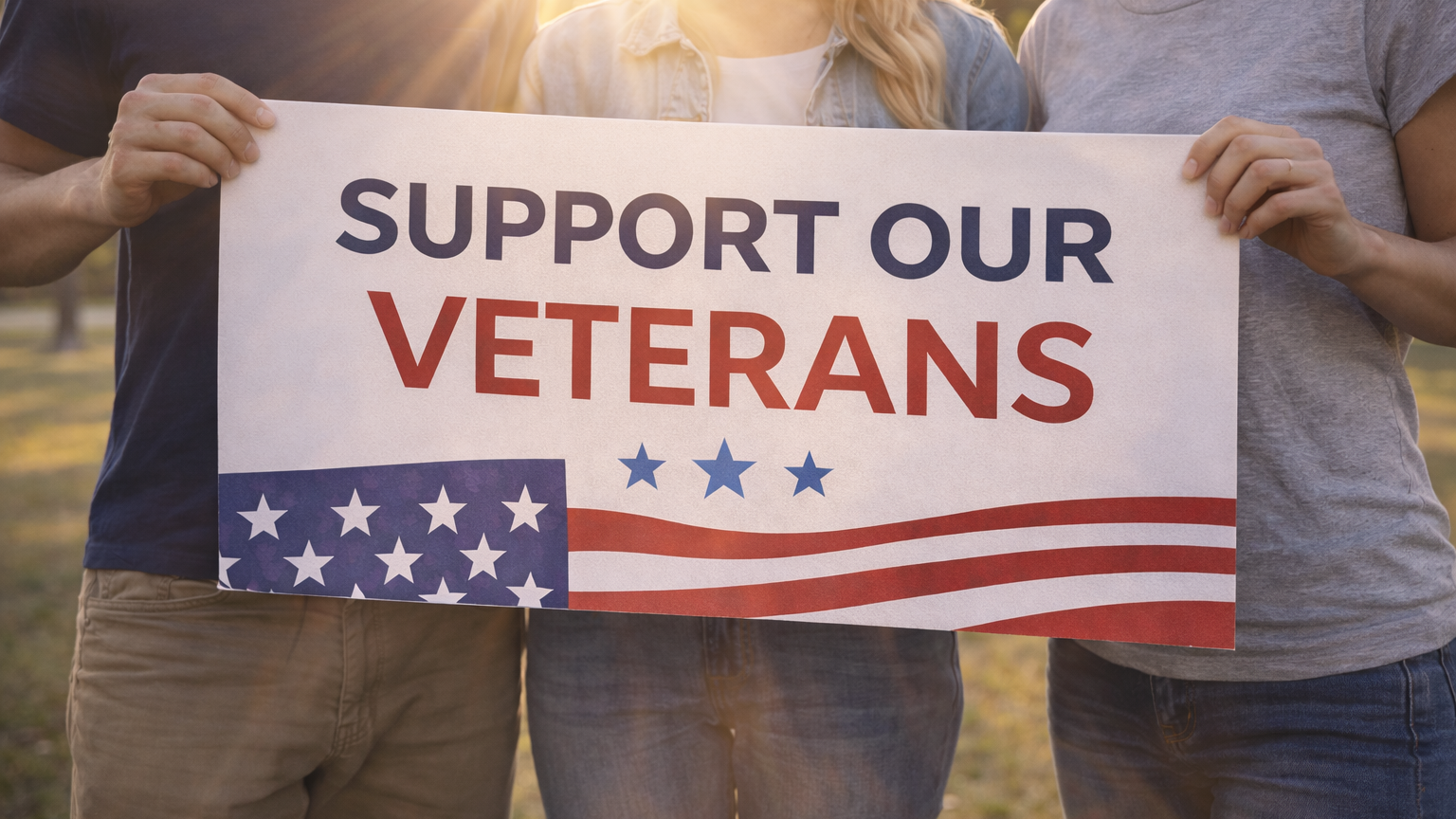
Supporting reintegration programs such as here at Wounded Warrior Homes ensures veterans don’t have to navigate this transition alone. Even small acts of support help rebuild stability, hope, and purpose.